Abstract:Petroleum coke, a byproduct of the refining industry, is extensively utilized in applications such as aluminum carbon anodes, graphite electrodes, and fuel addi
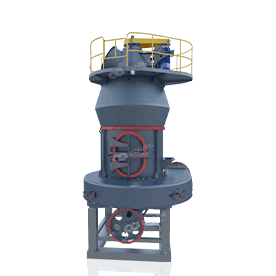
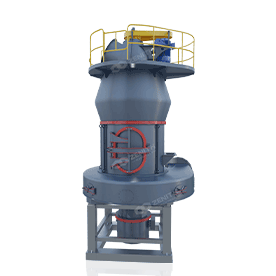
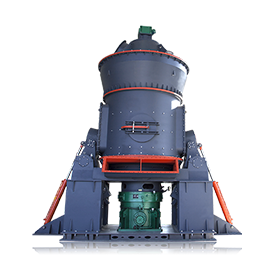
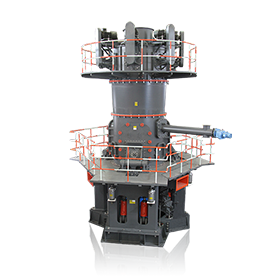
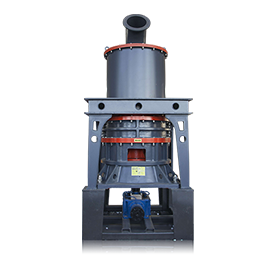
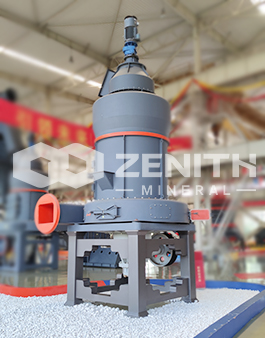
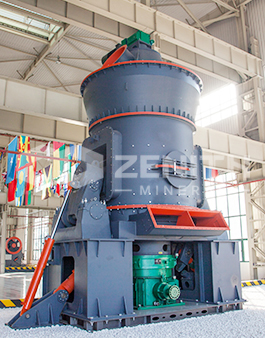
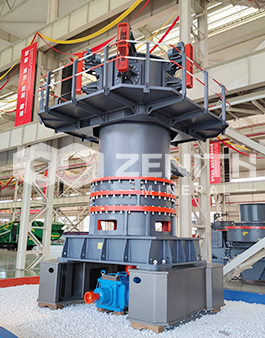
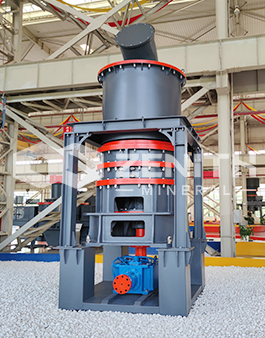
Petroleum coke, a byproduct of the refining industry, is extensively utilized in applications such as aluminum carbon anodes, graphite electrodes, and fuel additives after being crushed and processed. Given petroleum coke's characteristics—high hardness, easy grinding yet requiring control of over-grinding, and sensitivity to moisture—its specialized grinding equipment (with vertical mills being the industry standard) has developed unique working principles and performance advantages.
I. Core Working Principle: Efficient Bed Grinding and Dynamic Classification
The core principle of modern petroleum coke mills (vertical mills) integrates “drying-grinding-classification” into a unified process.
1. Feeding and Preliminary Drying: Crushed petroleum coke is conveyed into the mill via an airlock feeder, landing at the center of the rotating grinding disc. Simultaneously, medium-to-low temperature hot air (approximately 200-300°C) from the hot blast furnace is injected at high velocity upward through the air ring. This process efficiently preheats and preliminarily dries the oil- and moisture-containing petroleum coke, rapidly evaporating its moisture to meet the dryness requirements for subsequent grinding. This constitutes a critical pretreatment step in petroleum coke processing.
2. Bed Grinding: Under centrifugal force, the material is evenly distributed toward the periphery of the grinding disc, entering the crushing zone between the grinding rollers and the disc. Under stable high pressure applied by the hydraulic system, the grinding rollers compress the material layer on the disc (the “grinding bed”), pulverizing it. This “bed grinding” method achieves extremely high energy efficiency. It primarily relies on compression and shear forces to break particles through mutual crushing rather than simple impact, resulting in low energy consumption, relatively minimal wear, and low noise levels.
3. Classification and Collection: The crushed material rises with hot air to the dynamic classifier at the mill's top. The high-speed rotating classifier wheel generates a powerful centrifugal field, precisely sorting the material: coarse particles are flung toward the periphery by centrifugal force and fall back onto the grinding disc for re-grinding; while qualified fine powder passes through the classifier wheel with the airflow, entering the downstream bag filter (or cyclone separator) for collection as finished product. By continuously adjusting the classifier speed, the final product fineness can be precisely and flexibly controlled online (typically D97 adjustable between 75 microns and 300 mesh).
II. Core Performance Features
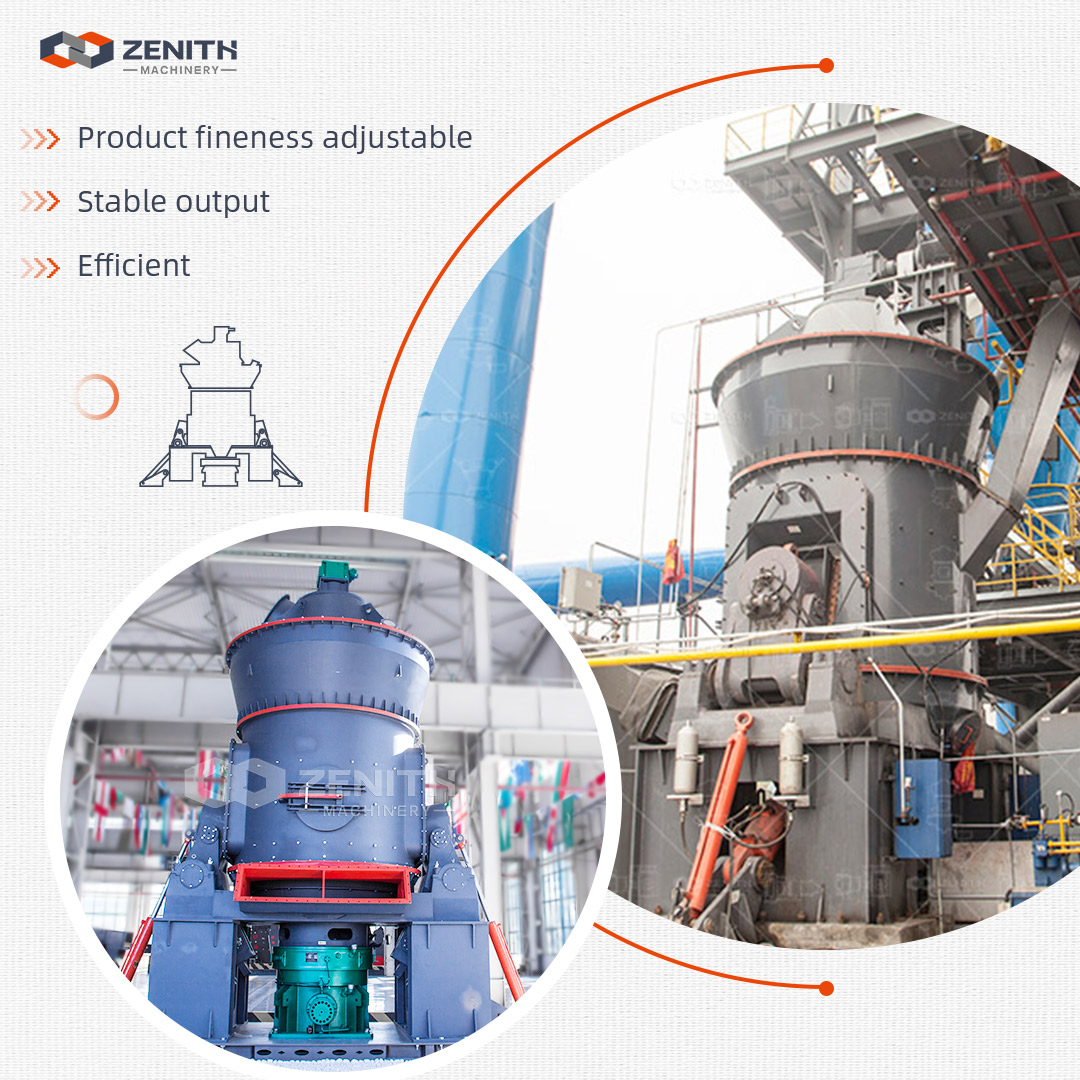
Based on the above operating principle, the petroleum coke-specific vertical grinding mill demonstrates the following comprehensive performance advantages:
High efficiency and energy savings with large throughput: The bed grinding principle concentrates energy on material pulverization, reducing specific power consumption by 30%-50% compared to traditional Raymond mills or ball mills. Its high single-unit production capacity makes it particularly suitable for large-scale continuous production.
Integrated drying and grinding: An internal high-efficiency hot air system enables simultaneous processing of petroleum coke with moisture content ≤15%. Concurrent drying and grinding create a compact process flow, eliminating the need for additional drying equipment and saving investment and floor space.
Uniform and Adjustable Particle Size: The dynamic classifier ensures a concentrated and stable final particle size distribution with minimal oversized or undersized particles. Fine-size adjustment is convenient and responsive, meeting diverse particle size requirements across applications (e.g., carbon products, fuels).
Stable and environmentally friendly operation: Rollers are hydraulically pressurized with buffer mechanisms for smooth, low-vibration operation. The fully negative-pressure sealed system minimizes dust leakage points. Combined with high-efficiency dust collection, emissions fall far below national environmental standards, ensuring a clean working environment.
Wear-Resistant and Durable with Simplified Maintenance: Core wear components (grinding roller liners, grinding disc liners) utilize high-chromium alloy and other wear-resistant materials for extended service life. Rollers can be flipped out for maintenance, and liner replacement is straightforward, significantly reducing downtime for upkeep.
In summary, the modern petroleum coke grinding mill (vertical mill) achieves an advanced production model characterized by high efficiency, low energy consumption, high output, and environmental friendliness through its integrated “grinding-drying-classification” design. Its stable and controllable process performance makes it the core equipment for enhancing product competitiveness and achieving green production in the petroleum coke deep processing industry.
leave your message here, we'll send you
an Email immediately.