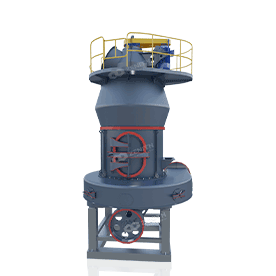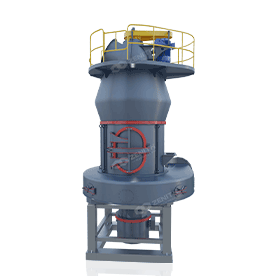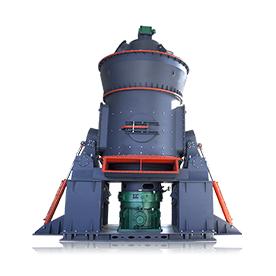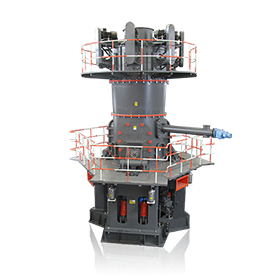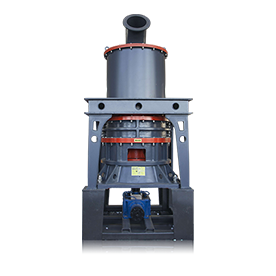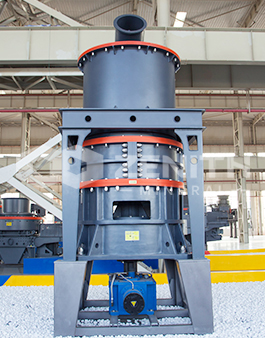


LM series vertical roller mills are a excellent grinding equipment, which have the capacity of 24hours constant running. Because of this automatic operation, this VRM are popular in the condition, which needs easy monitor, large capaity, constant running, stable product quality, like large mineral powder plant, cement plant, GGBS powder plant, coal grinding plant, etc.
LM Vertical Grinding Mill can effectively control product size, chemical composition and iron content, and ensure the purity and whiteness of finished materials.
LM Vertical Grinding Mill adopts a compact integrated design, which covers an area of about 50% of the ball mill system, and can be arranged in the open air with less comprehensive investment.
LM Vertical Grinding Mill is equipped with an automatic control system, which can realize free switching between remote control and local control. It is easy to operate and has low labor cost.
LM Vertical Grinding Mill is sealed and operates under negative pressure, characterized by no dust spillover, small vibration, low noise, and more eco-friendly production.
Common causes are an unstable material bed (uneven feed or airflow), abnormal roller pressure, uneven wear or air-ring build-up; checking these usually stabilizes it.
Rollers do not contact the disc directly, bed buffering reduces wear, and rollers can be swung out for easy replacement; limit protection avoids impact, so wear parts last long and downtime is small.
They differ in principle and energy: a vertical mill saves power, space and offers large capacity with drying; a ball mill costs less and supports wet grinding. Decide by capacity/energy versus initial cost and wet needs.
Wear parts last long and rollers swing out for inspection, extending maintenance intervals and making each service efficient; automation reduces errors, so downtime loss is smaller than conventional mills.
Build a stable material bed before applying roller pressure to avoid empty or thick-bed impact; usually feed to establish the bed, then gradually apply pressure, confirming hot air and lubrication.
Watch bed thickness, roller pressure, airflow and temperature, fineness, plus lubrication and bearing temperature; stable parameters mean a stable machine.


Advanced manufacturing process


Inspection of raw materials and the whole process of production and processing


Strong processing workshop and machining equipment to ensure the fastest delivery time


Worldwide sales and service network


More than 20 years of international trade experience, familiar with all kinds of export business


Comprehensive solutions from crushing to grinding


Advanced technology with more than 100 patents