Abstract:When selecting a dolomite grinding mill with a capacity of 30 tons per hour, comprehensive consideration must be given to fineness requirements, investment budg
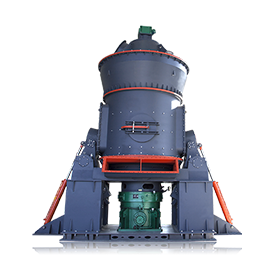
When selecting a dolomite grinding mill with a capacity of 30 tons per hour, comprehensive consideration must be given to fineness requirements, investment budget, and long-term operating costs. This production capacity falls within the medium-to-large scale range, making the vertical grinding mill (VGM) the primary option for evaluation.
Core Equipment Selection: Vertical Mill
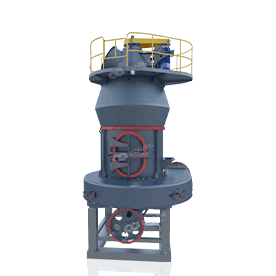
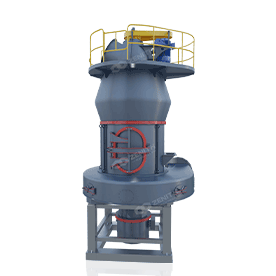
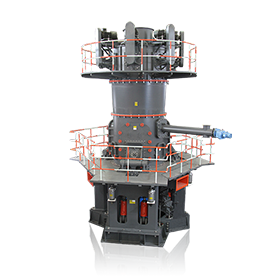
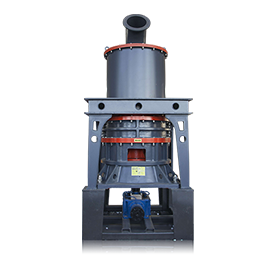
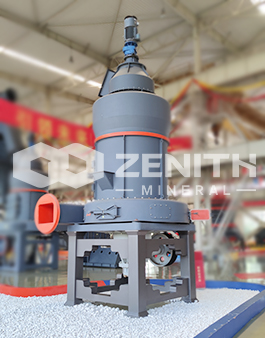
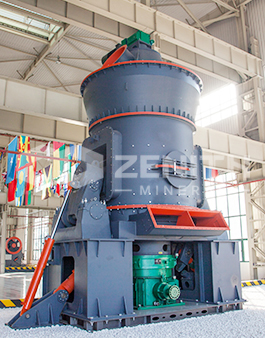
For a 30-ton-per-hour scale (typically producing 80-400 mesh products), large ring roll mills or medium-sized vertical mills offer the highest technical compatibility.
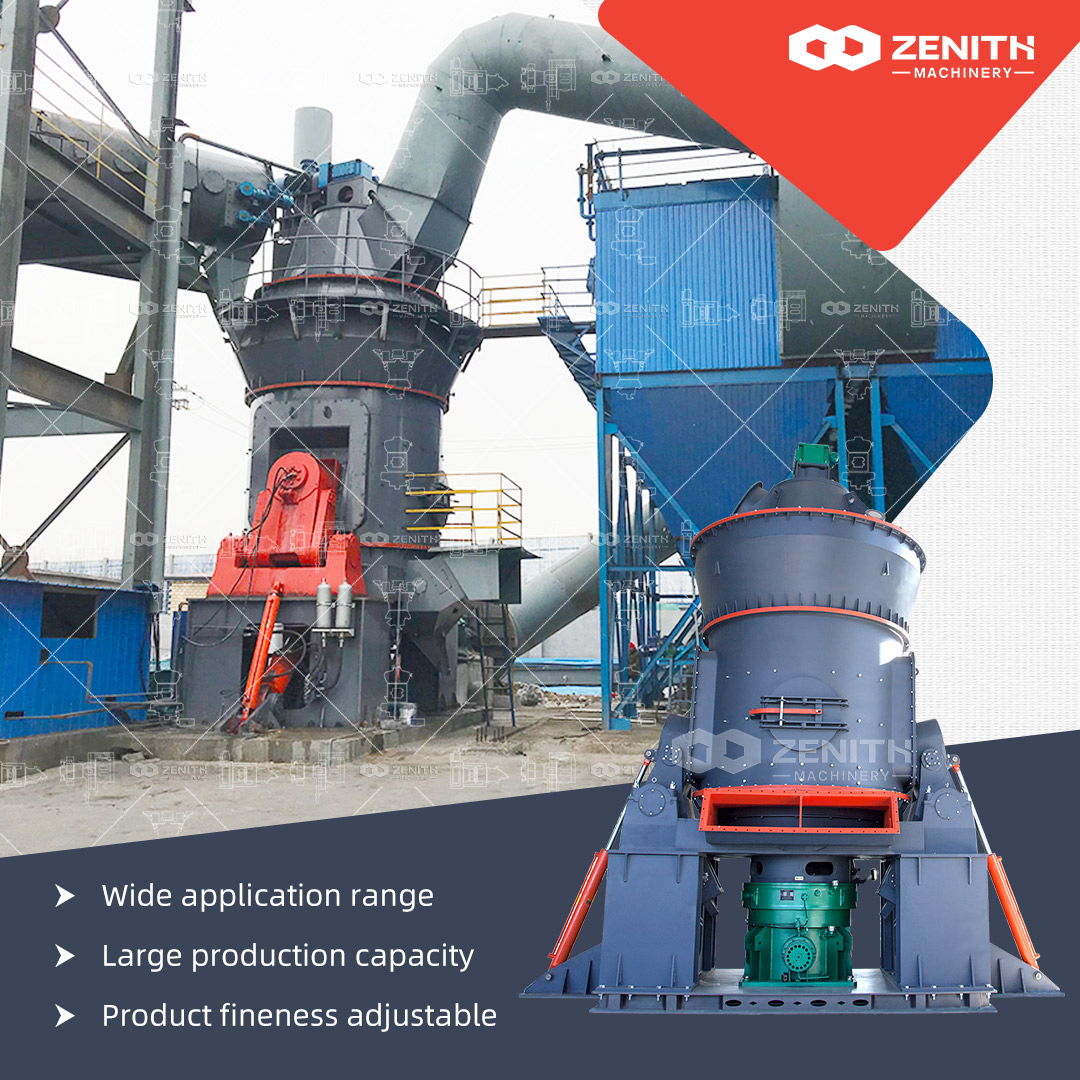
Advantages: The VBM integrates crushing, grinding, drying, and classification into one unit. Its system power consumption is 20%-40% lower than traditional Raymond mills, delivering significant energy savings. Its built-in high-efficiency classifier allows flexible online adjustment of product fineness (typically 80-600 mesh) with a concentrated particle size distribution, making it highly suitable for large-scale dolomite powder production. The equipment operates smoothly with high automation and excellent environmental performance.
Key Considerations
1. Target Fineness and Application: Define primary product specifications (e.g., 200 mesh for building materials or functional ultrafine powder for fillers). This is the primary factor determining vertical mill model selection and classifier configuration.
2. Raw Material Characteristics: Test the feed size, moisture content, and hardness (Mohs hardness approx. 3.5-4) of the dolomite. If moisture is high (>6%), verify whether the equipment includes or requires integrated drying capacity.
3. System Integration and Intelligent Control: Prioritize suppliers offering complete line design to ensure seamless integration from crushing and feeding to dust collection and packaging. Equipping the system with a PLC/DCS automation control system is crucial for stabilizing production capacity, ensuring quality, and reducing labor costs.
4. Long-Term Operating Costs: When comparing different solutions, comprehensively calculate equipment energy consumption, the lifespan and replacement costs of wear parts (grinding rollers, grinding discs), and maintenance convenience. Although vertical mills may have higher initial investment costs, their low energy consumption and extended maintenance cycles provide significant long-term total cost advantages.
leave your message here, we'll send you
an Email immediately.