Abstract:Barite is an important industrial raw material that is widely used in many fields. Its grinding process is crucial for obtaining high-quality barite powder. At
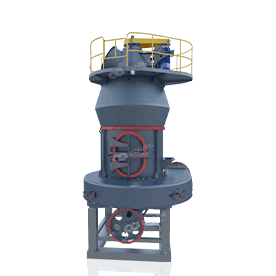
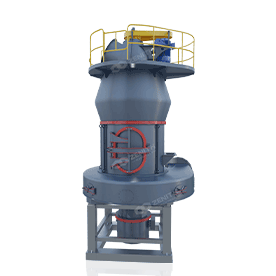
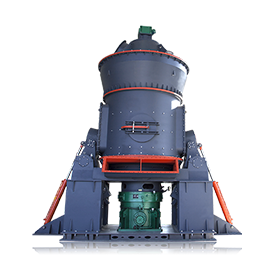
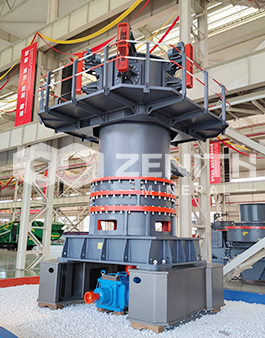
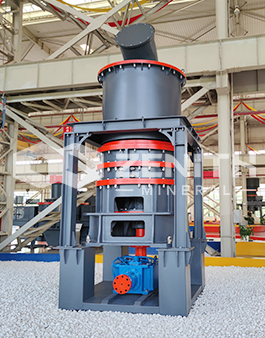
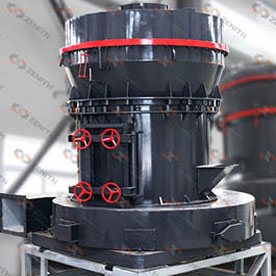
Barite is an important industrial raw material that is widely used in many fields. Its grinding process is crucial for obtaining high-quality barite powder. At the same time, choosing the right barite grinder is also the key to ensuring the grinding effect. This article will detail the barite grinding process and the factors to consider when choosing a barite grinding machine.
1. Barite grinding process
1. Raw material preparation: Ensure the quality of barite ore and remove impurities and excessive particles.
2. Crushing: Breaking large pieces of barite ore into smaller particles for further grinding.
3. Conveying: Use conveying equipment to transport the crushed ore to the mill.
4. Grinding: This is the core link of the grinding process, grinding ore particles into fine powder through a mill.
5. Grading: The ground powder is graded to obtain products with different particle sizes.
6. Collection: Collect the graded powder for subsequent processing or packaging.
7. Quality inspection: Conduct testing of various quality indicators to ensure that the products meet relevant standards.
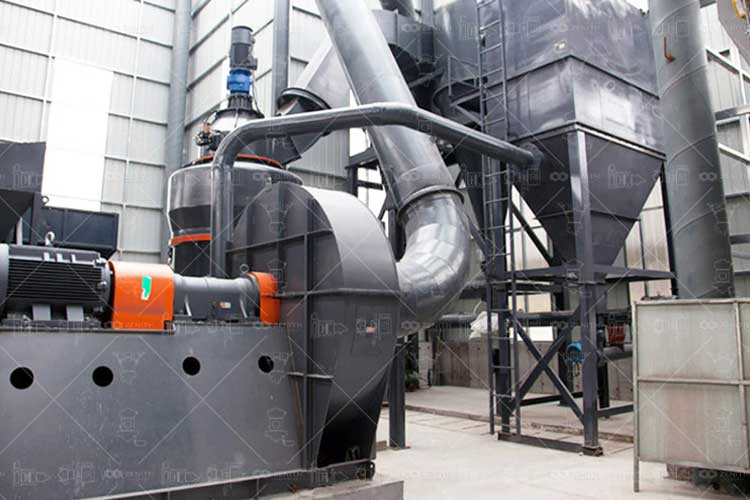
2. Factors for choosing a barite mill
1. Capacity requirements: Choose a mill that can meet the requirements based on the production scale and expected output.
2. Grinding effect: pay attention to the particle size, fineness and uniformity of the mill.
3. Wear resistance: In the process of barite grinding, the wear of the mill is large, and equipment with good wear resistance can extend the service life.
4. Energy consumption: Low energy consumption mills help reduce production costs.
5. Stability: The equipment operates stably, the failure rate is low, and it can reduce downtime and maintenance costs.
6. Degree of automation: Highly automated equipment can improve production efficiency and quality control.
7. Environmental protection requirements: Meet environmental protection standards and reduce dust and noise pollution.
8. After-sales service: The supplier provides good after-sales service, including equipment installation, training, maintenance, etc.
9. Price: Consider the performance and price of the equipment comprehensively and choose a cost-effective mill.
10. Brand and reputation: Mills with well-known brands and good reputations are usually of more guaranteed quality.
leave your message here, we'll send you
an Email immediately.