Abstract:The production of ultra-fine gypsum powder with a 800-mesh particle size (D97 approximately 18 microns) typically refers to building gypsum powder (hemihydrate
The production of ultra-fine gypsum powder with a 800-mesh particle size (D97 approximately 18 microns) typically refers to building gypsum powder (hemihydrate gypsum, CaSO₄·0.5H₂O). The core process must not only meet the required fineness but also ensure the phase composition (hemihydrate gypsum content) and physical properties of the gypsum. The mainstream, highly efficient process is the “one-step” integrated calcination and grinding method. This process deeply integrates dehydration calcination with ultrafine grinding, representing the most advanced and energy-efficient solution currently available.
1.Crushing and Drying: Natural raw gypsum (dihydrate gypsum) is crushed to ≤30 mm using a jaw crusher, then fed into a dryer (such as a rotary drum dryer) to remove surface water and some crystalline water, controlling the raw material moisture content to below 5% to create conditions for subsequent high-efficiency grinding.
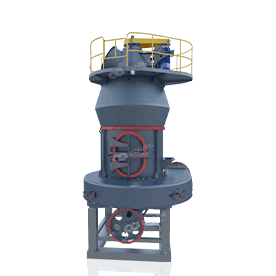
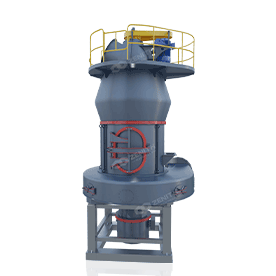
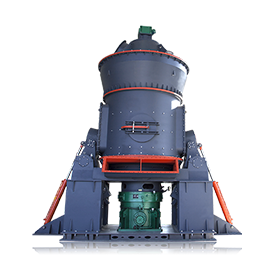
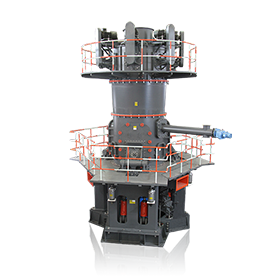
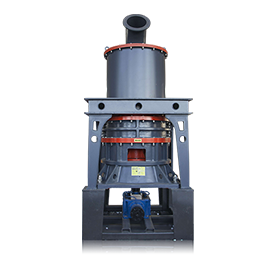
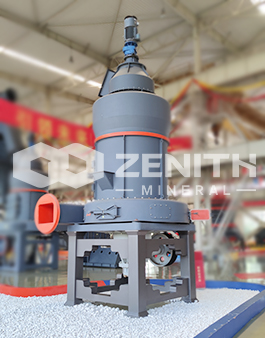
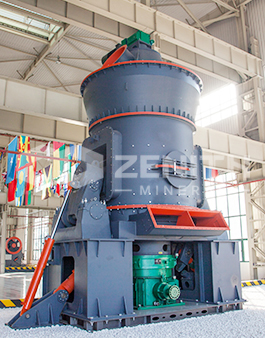
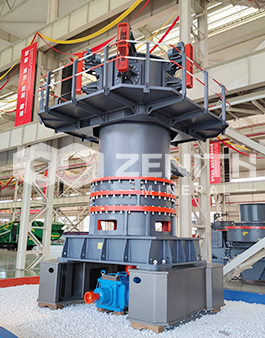
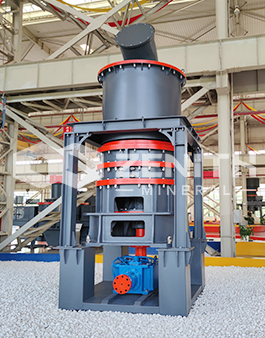
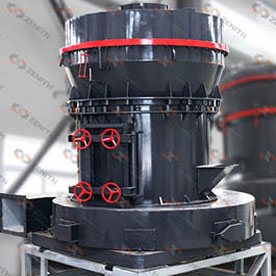
2.Calcination and Ultra-Fine Grinding (Core Process): The pre-treated gypsum particles enter the integrated calcination and grinding mill together with hot air (approximately 600–800°C). While suspended in the air, the material undergoes simultaneous grinding, calcination, and dehydration. A high-precision classifier (such as a turbine-type classifier) is built into the mill to continuously separate qualified fine powder in real time.
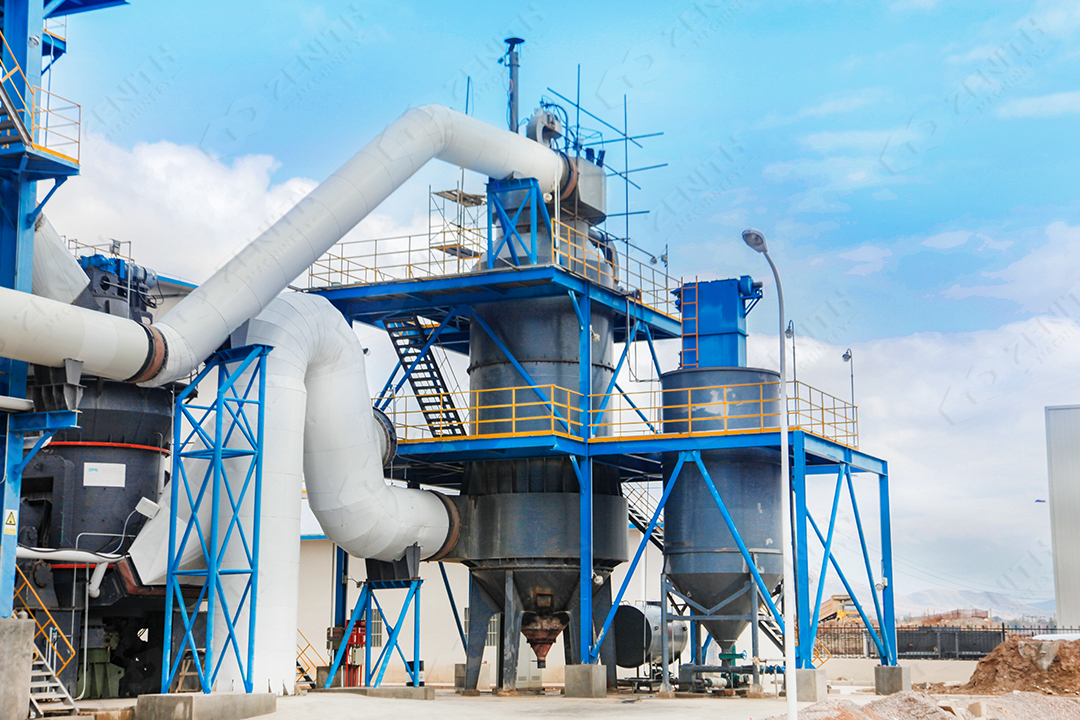
3.Fine Classification and Collection: The powder-laden gas stream exiting the main mill enters an ultrafine classifier (such as a series of high-efficiency turbine classifiers) for secondary or multiple classifications, precisely controlling particle size to ensure the final product meets D97 ≤ 18 μm (800 mesh). Qualified ultrafine powder is collected by a high-efficiency pulse bag filter.
4.Homogenization, Cooling, and Packaging: The collected powder enters a homogenization tank, where aerated agitation ensures uniform and stable composition and activity. It is then cooled via a cooling system to prevent caking, and finally metered and packaged by an automatic packaging machine.
Key Process Advantages
High Efficiency and Energy Savings: Calcination and grinding are completed instantaneously within the same sealed system, resulting in high thermal efficiency. Compared to the traditional “calcination-first, grinding-later” process, overall energy consumption is reduced by 20–30%.
Superior Quality: Rapid calcination prevents over- or under-calcination, resulting in hemihydrate gypsum with high phase purity, low water demand at standard consistency, and excellent strength development.
Controllable Particle Size: Through precise control of the classifier, the process consistently produces ultra-fine gypsum powder in various specifications ranging from 600 to 1250 mesh.
leave your message here, we'll send you
an Email immediately.