Abstract:I. Key Factors Affecting Price1. Target Fineness and Production Capacity (Core Factors): These are the most critical indicators in determining the model and pr
I. Key Factors Affecting Price
1. Target Fineness and Production Capacity (Core Factors): These are the most critical indicators in determining the model and price.
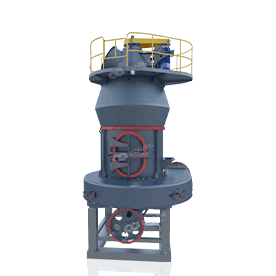
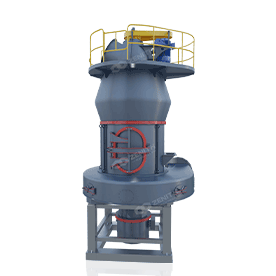
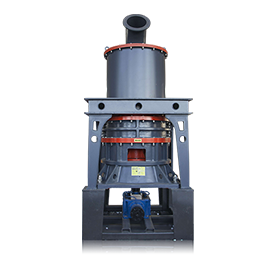
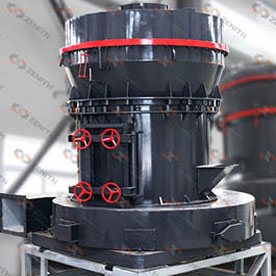
General-purpose fine powder (325–800 mesh): Equipment such as high-pressure suspended roller mills and improved Raymond mills is used; prices are relatively low, typically ranging from 300,000 to over 1 million RMB.
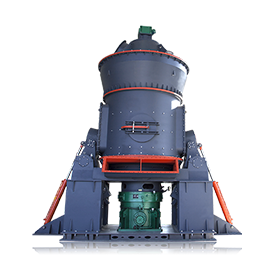
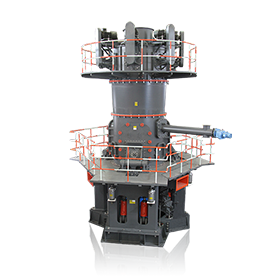
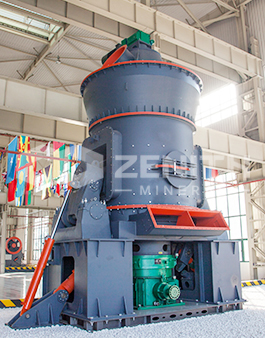
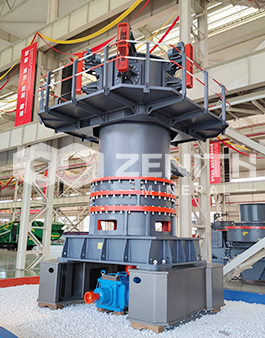
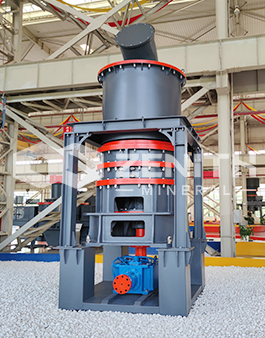
Ultrafine powder (800–1,500 mesh): The mainstream choices are ultra-fine vertical mills or ultra-fine ring roller mills. This is currently the most widely used category in the market, with prices varying significantly based on production capacity (e.g., annual output of 50,000, 100,000, or 200,000 tons), ranging from approximately 1 million to 5 million RMB.
Ultra-fine powder (1,500 mesh and above, d97 < 10 μm): Requires a more sophisticated classification system.
2. Equipment Models and Brands: Domestic and international brands differ in terms of technology, materials, and reliability, resulting in significant price variations. Imported equipment typically costs 1.5 to 3 times—or even more—than domestically produced equipment of the same grade.
3. System Configuration and Automation Level:
Basic Configuration: Includes only the main unit, feeder, cyclone collector, pulse dust collector, and blower.
Advanced Configuration: Includes a pre-crusher, automatic packaging system, intelligent control system (DCS/PLC), online particle size analyzer, nitrogen-flushed explosion-proof system, etc. Each additional component increases costs accordingly.
II. Example of Price Breakdown (Using an Ultra-Fine Ring Roller Mill as an Example)
Assuming a project with an annual production capacity of 100,000 tons of heavy calcium carbonate (d97=10 μm):
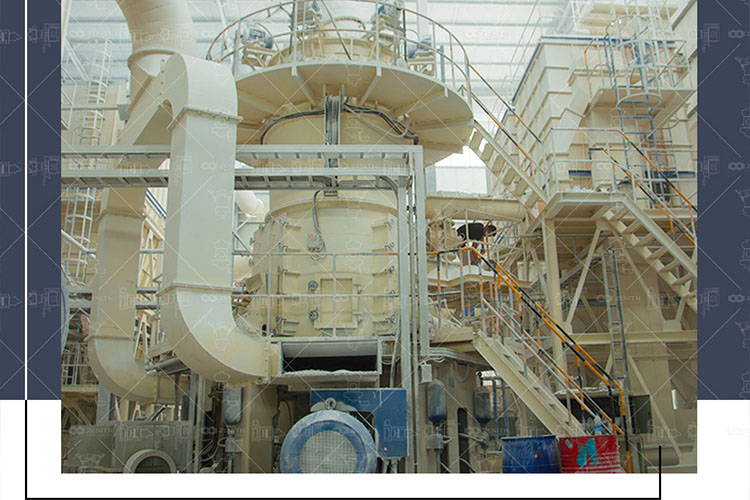
Main Unit (Grinding Mill): Core cost.
Classification System: A multi-stage turbine classifier is critical, as it determines the upper limit of fineness and the particle size distribution.
Collection and Dust Removal System: A high-efficiency pulse baghouse dust collector ensures yield and environmental compliance.
Blowers and Piping: Provide system power and airflow.
Electrical Control System: Ranges from a simple control cabinet to a fully automated central control room.
Installation and Technical Service Fees: Typically account for 10%–15% of the total equipment cost.
leave your message here, we'll send you
an Email immediately.