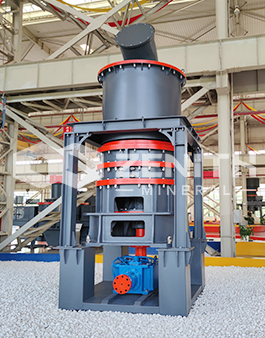
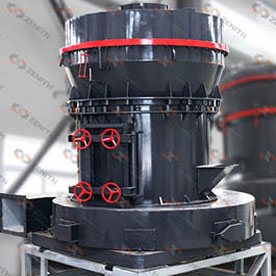
Driven by the dual impetus of the "dual carbon" goals and industrial upgrading, the grinding equipment sector in the cement industry is witnessing a technological revolution centered on energy conservation, intelligence, and high-endization. The latest industry data indicates that the market size of specialized cement equipment in China has exceeded RMB 48 billion in 2025, among which grinding system equipment, with its remarkable energy-saving potential, has emerged as the core driving force behind the industry's low-carbon transition.
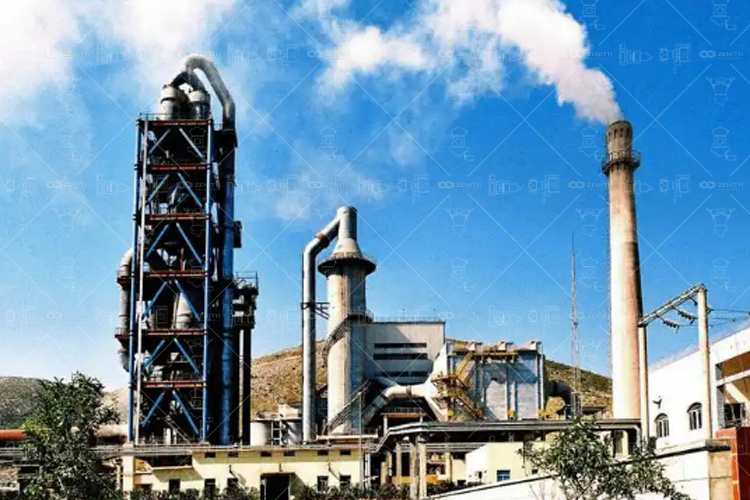
Cement grinding station equipment is an indispensable key component in the cement production process. Its main function is to grind cement clinker into cement powder that meets specific fineness requirements, so as to satisfy subsequent production processes or market demands. Such equipment is usually composed of multiple subsystems, including but not limited to the feeding system, grinding system, classification system, conveying system, and dust removal system. All subsystems work collaboratively to ensure the efficiency and stability of the cement grinding process.
In terms of technical principles, cement grinding station equipment mainly uses mechanical forces (such as extrusion, impact, shearing, etc.) to crush and grind materials. According to different grinding methods, it can be divided into various types such as ball mills, vertical grinding mills, and roller presses. Among these, LM vertical grinding mills have been widely used in modern cement grinding stations due to their advantages of small floor space, low energy consumption, high grinding efficiency, and easy automatic control.
Continuous intensification at the policy level has provided strong impetus for the upgrading of grinding equipment. Against this backdrop, high-efficiency and energy-saving LM vertical mill grinding systems have become the mainstream configuration in the industry. Technological innovation is reshaping the application landscape of grinding equipment. The in-depth integration of intelligence and digitalization has emerged as a new industry trend.
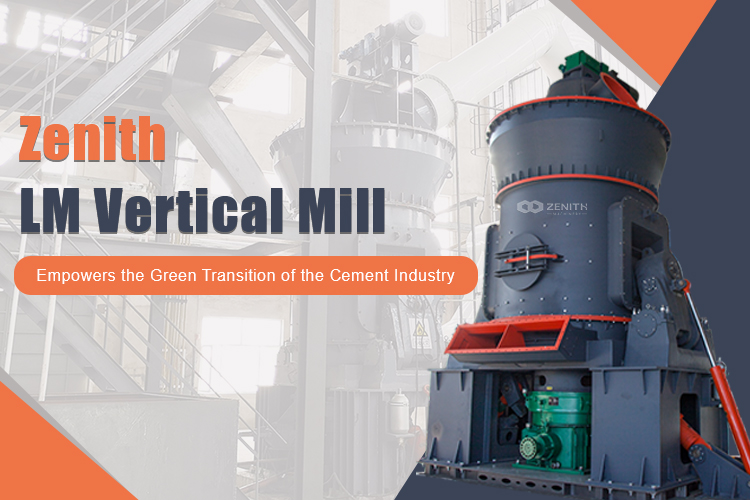
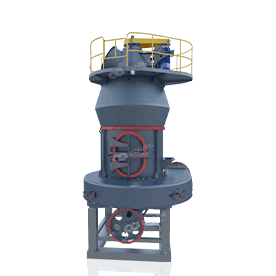
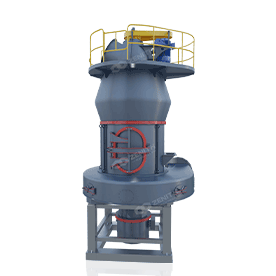
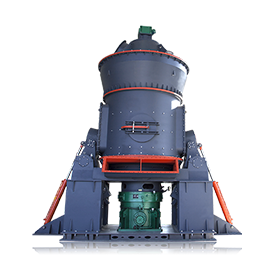
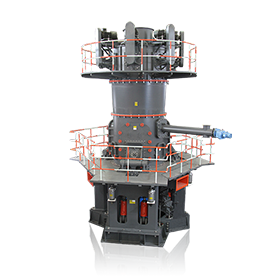
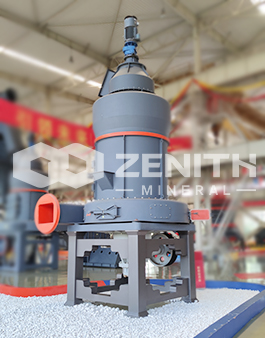
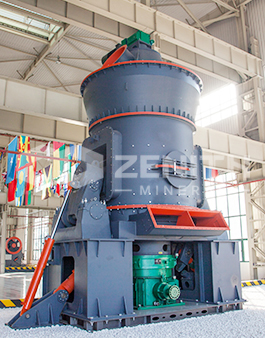
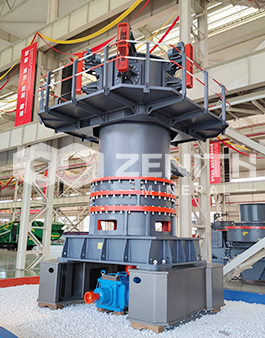
LM Vertical Mill Production Line customized by Zenith for a key large-scale cement production line project integrates multiple automated control points, enabling precise regulation of finished products with fineness ranging from 200 to 400 Mesh. Adopting a "bearing-free and screw-free" structural design and an intelligent frequency conversion system, the production line not only addresses the pain point of frequent failures in traditional equipment but also realizes dynamic optimization of the grinding process through digital twin technology, maintaining an extremely high product qualification rate.
With the LM Vertical Grinding Mill as the core equipment of the project, reasonable grinding pressure is set, the internal air duct structure and wind speed are optimized, and a high-efficiency dynamic classifier is equipped. These measures ensure stable finished product fineness and meet the high-quality requirements for raw material powder in cement processing.
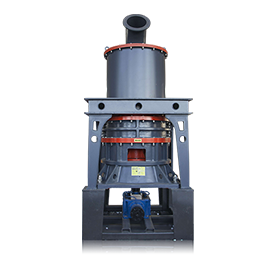
LM Vertical Roller Mill
Fineness: 0.84-0.037mm
Capacity: 10-170 T/H
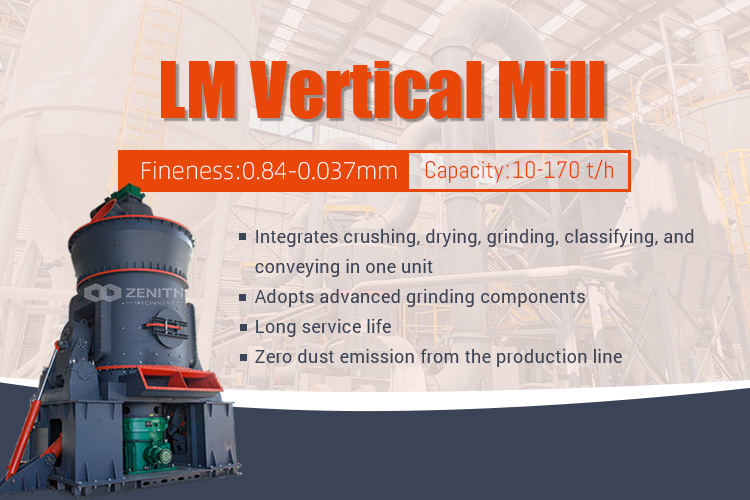
Integrates crushing, drying, grinding, powder separation, and conveying into one unit
Equipped with a new-type grinding device and an automatic electrical control system
The limiting device prevents severe vibration; the roller sleeve is reversible for extended service life
Operates under negative pressure with high-efficiency pulse dust removal, achieving zero dust emission from the production line
Equipped with a hydraulic roller turning device, allowing the grinding rollers to be fully flipped out of the machine for maintenance
Zenith services go beyond equipment delivery – we provide full-lifecycle companionship for projects. From pre-sales on-site inspections, in-sales installation guidance, and systematic training for operators, to post-sales establishment of a rapid-response service mechanism and a comprehensive spare parts supply system, we safeguard customers’ production and operation, creating sustained and stable long-term value.
With the in-depth application of industrial internet and AI technologies, smart solutions including remote monitoring and predictive maintenance will accelerate their popularization, driving the cement industry’s transformation from "traditional grinding" to "intelligent precision grinding" and providing solid support for the achievement of carbon peaking goals in the industrial sector.