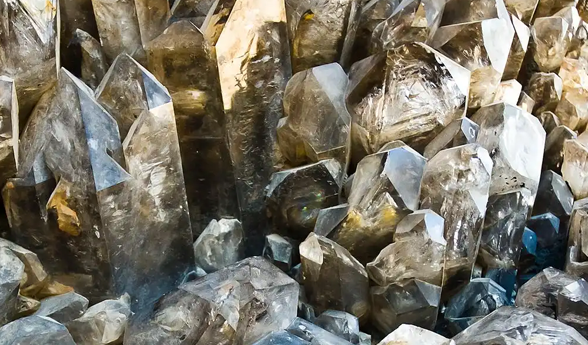
Phosphate ore is a non-metallic mineral dominated by phosphate minerals, with calcium phosphate as its core chemical component. It often contains associated impurity elements such as silicon, aluminum and iron. Phosphate ore typically appears in gray, brown or yellow hues, and its crystal structure is mainly hexagonal system. With a Mohs hardness ranging from 3 to 5, it features relatively loose texture and is easy to crush and grind for processing. Phosphorus is an indispensable element for living organisms and also a core raw material in agriculture and chemical engineering sectors. Therefore, phosphate ore is hailed as the "lifeblood of agriculture" and the "cornerstone of chemical engineering", serving as a strategic mineral resource vital to national economy and people's livelihood.
As a phosphorus-bearing strategic non-metallic mineral, processed phosphate ore products are widely used in key sectors of the national economy including agriculture, chemical engineering, new energy and building materials. Phosphate ore powders with different purities and particle sizes correspond to differentiated application scenarios.

The most fundamental and important application of phosphate ore. After undergoing crushing, grinding and beneficiation for enrichment, phosphate ore can be processed into various types of phosphate fertilizers via acid or thermal processes. It is a key mineral resource for ensuring increased grain production and improving soil fertility.
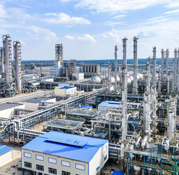
Industrial-grade phosphoric acid produced from phosphate ore serves as a key raw material for manufacturing detergents, food additives and flame retardants. Further intensive processing can yield yellow phosphorus and red phosphorus, which are used in the production of pesticides, pharmaceutical intermediates and semiconductor materials.

With the explosive growth of the new energy vehicle and energy storage industries, phosphate ore has become a critical upstream raw material in the lithium battery industry chain. Phosphoric acid produced from high-purity phosphate ore can react with lithium carbonate, iron powder and other materials to synthesize lithium iron phosphate—the mainstream cathode material for power batteries and energy storage batteries at present.
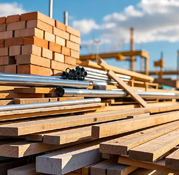
The waste residue generated from phosphate ore processing can be used to produce gypsum boards and cement retarders, realizing resource recycling. Some phosphate ores can be directly applied to manufacturing phosphate cement. In the metallurgical industry, phosphate ore can serve as a deoxidizer and desulfurizer in steelmaking to improve steel quality.
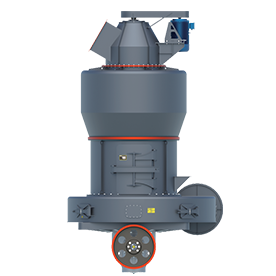
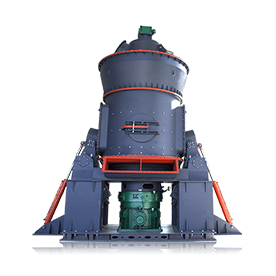
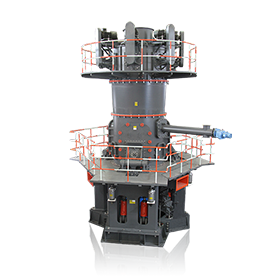
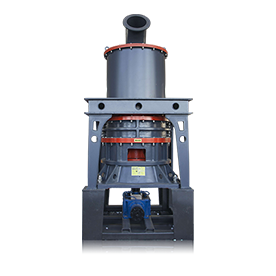
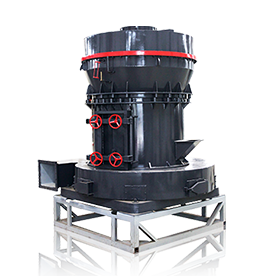
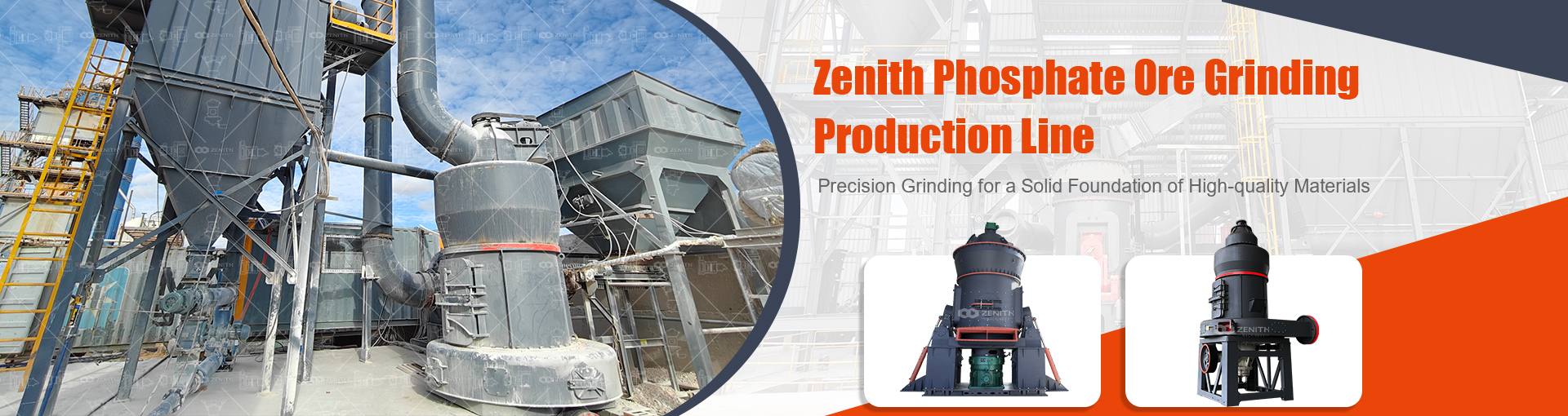
As a comprehensive solution provider of grinding equipment, Shanghai Zenith fully understands the needs and pain points of enterprises in the phosphate ore grinding process. We are committed to delivering high-efficiency, energy-saving and eco-friendly grinding equipment and services to our customers. Drawing on nearly 40 years of experience in mill manufacturing, Shanghai Zenith has specially launched the LM Vertical Mill and MTW European Trapezium Mill, which adopt world-leading grinding technologies and processes, significantly boosting production efficiency.

Raw Material
Testing


Technical
Communication

Solution
Development

Equipment
Manufacturing

Installation and
Commissioning

Operation
Guidance

Technical
Q&A

Spare Parts
Supply
Core Technology Empowers, Unlocks New Heights of Grinding
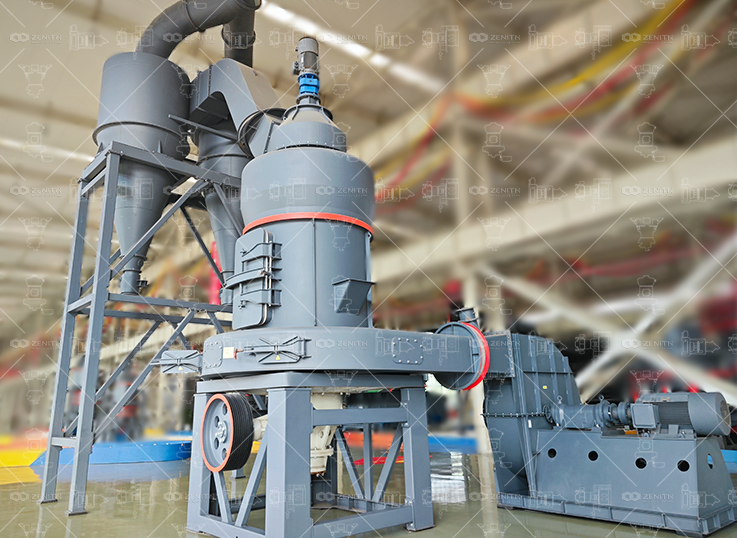
Equipped with a customized core grinding host and adopting an integral bevel
gear transmission structure, MTW European Trapezium Mill delivers higher
transmission efficiency and more stable operation. Combined with a
high-efficiency classifier, it enables precise control of finished product
fineness ranging from 0.045 to 1.6 mm, ensuring that phosphate ore particles are
stably maintained within the target range with a narrow and uniform particle
size distribution. This lays a solid foundation for improving the compaction
density and cycle performance of batteries.
Intelligent & Eco-friendly Energy-saving & High-efficiency
Thin Oil Lubrication System, New-type Suspended Cage Powder Classifier
Upgraded Replacement for Traditional Raymond Mills and Pendulum Mills
State-Patented, Eco-friendly & Energy-saving
High-efficiency & Intelligent Adaptation, Outstanding Cost Reduction and
Efficiency Improvement Advantages
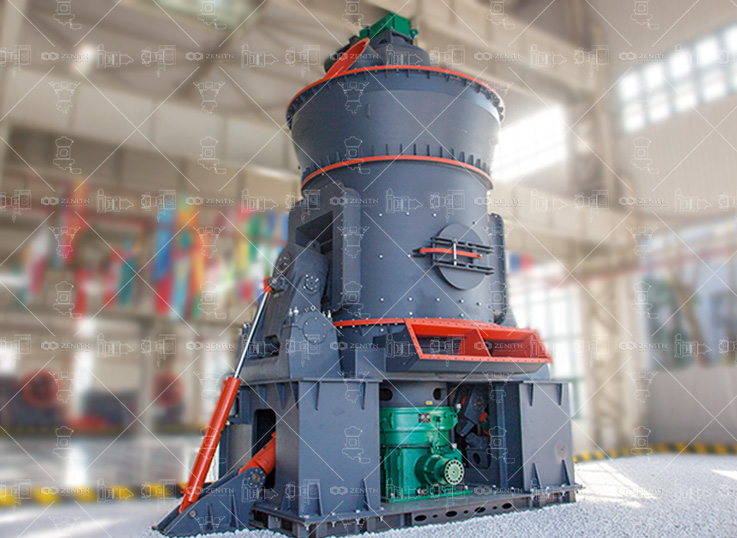
Integrating the full-process functions of crushing, drying, grinding,
classification and conveying, the LM Vertical Mill adopts a PLC fully automatic
control system, which enables remote operation and real-time parameter
monitoring, significantly reducing manual intervention. In terms of capacity
adaptation, the production line can be flexibly configured according to project
requirements, with a single-machine production capacity ranging from 3 to 170
T/H.
High-Efficiency Powder Grinding Clean & Energy-Saving
Features a new grinding device and automated electronic control system
Negative pressure dust containment, high-efficiency pulse dust removal
The grinding rollers can be flipped out of the machine for easy maintenance.
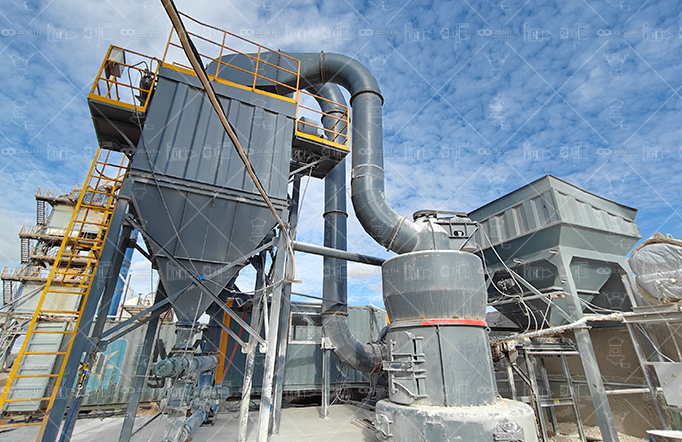
Material:Phosphate Fertilizer
Capacity:15TPH
Fineness:200mesh D83
Equipment:MTW175 European Trapezium Grinding Mill
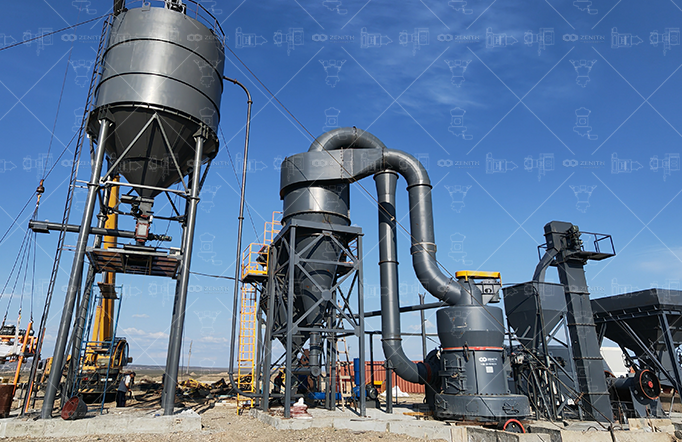
Material :0-12mm Phosphate Fertilizer
Capacity:35t/h
Fineness:74μm (200 mesh) D-90
Equipment: MTW138 European Trapezium Grinding Mill
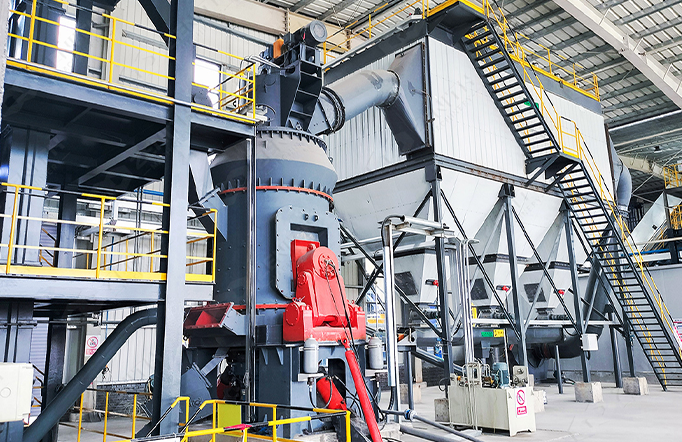
Material: Phosphate Ore
Capacity: 400,000 tons/year
Fineness:200 mesh D-90
Equipment: LM vertical roller mill
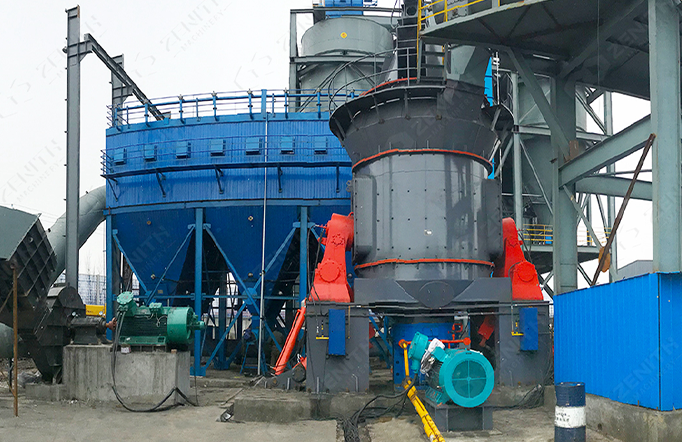
Material:Lithium iron phosphate
Capacity: 55TPH
Output Size: 200 Mesh, D80
Equipment: LM vertical roller mill
leave your message here, we'll send you
an Email immediately.