Abstract:To produce high-quality putty powder, selecting the appropriate grinding equipment is crucial, as it directly impacts the powder's fineness, output, cost, a
To produce high-quality putty powder, selecting the appropriate grinding equipment is crucial, as it directly impacts the powder's fineness, output, cost, and the application performance and quality of the final product. Faced with numerous grinding equipment options on the market, how can one make a scientific choice? Factors such as raw material characteristics, production requirements, investment budget, and product positioning must be comprehensively considered.
I. Define Raw Material Properties and Product Requirements
First, clearly identify the primary grinding materials (e.g., heavy calcium carbonate, talc, calcium hydroxide, gypsum) and their physical characteristics (hardness, moisture content, soil content, etc.). For putty powder, typical fineness requirements range between 80-150 mesh, with finer grades (200-325 mesh) often needed for exterior or water-resistant putties. Product whiteness is also a critical metric, necessitating equipment that prevents contamination from impurities like rust during grinding.
II. Comparative Analysis of Mainstream Grinding Equipment Performance
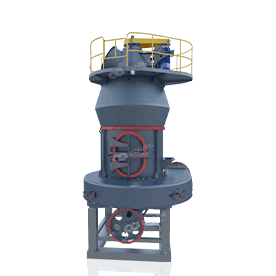
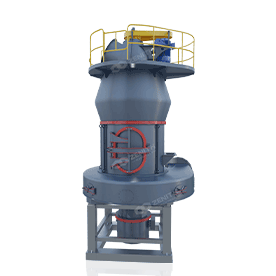
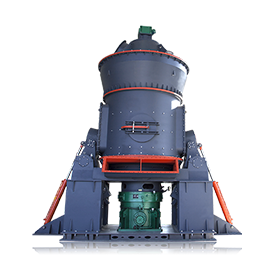
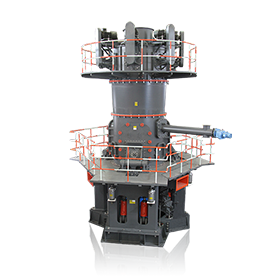
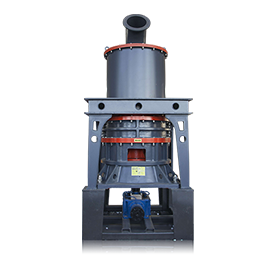
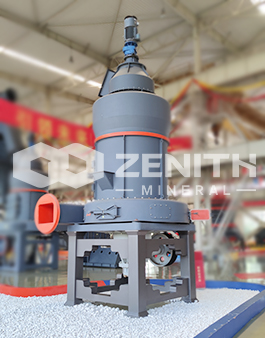
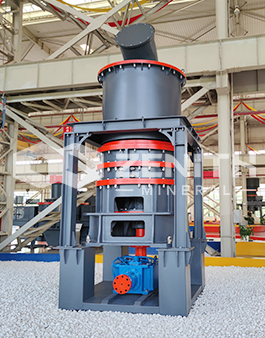
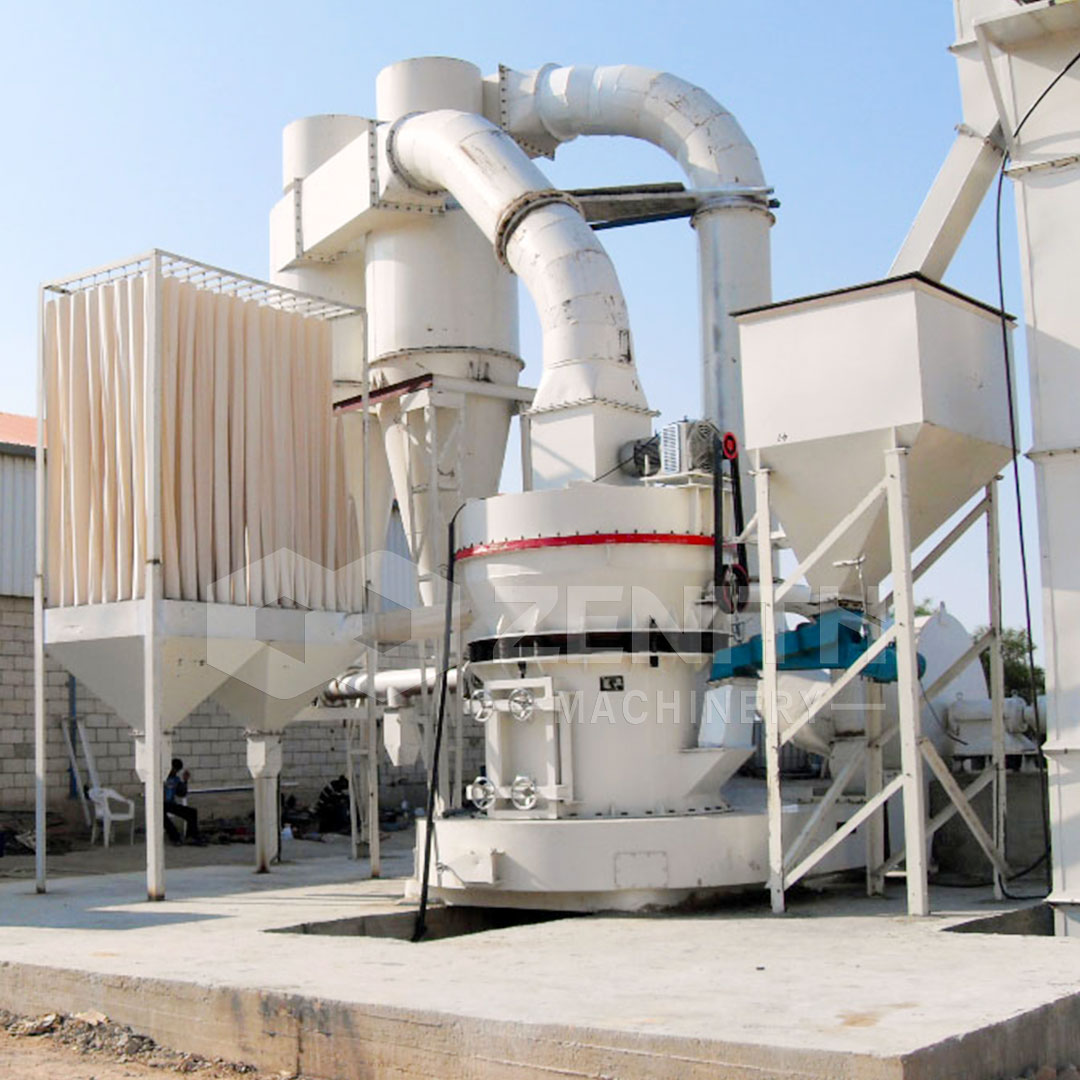
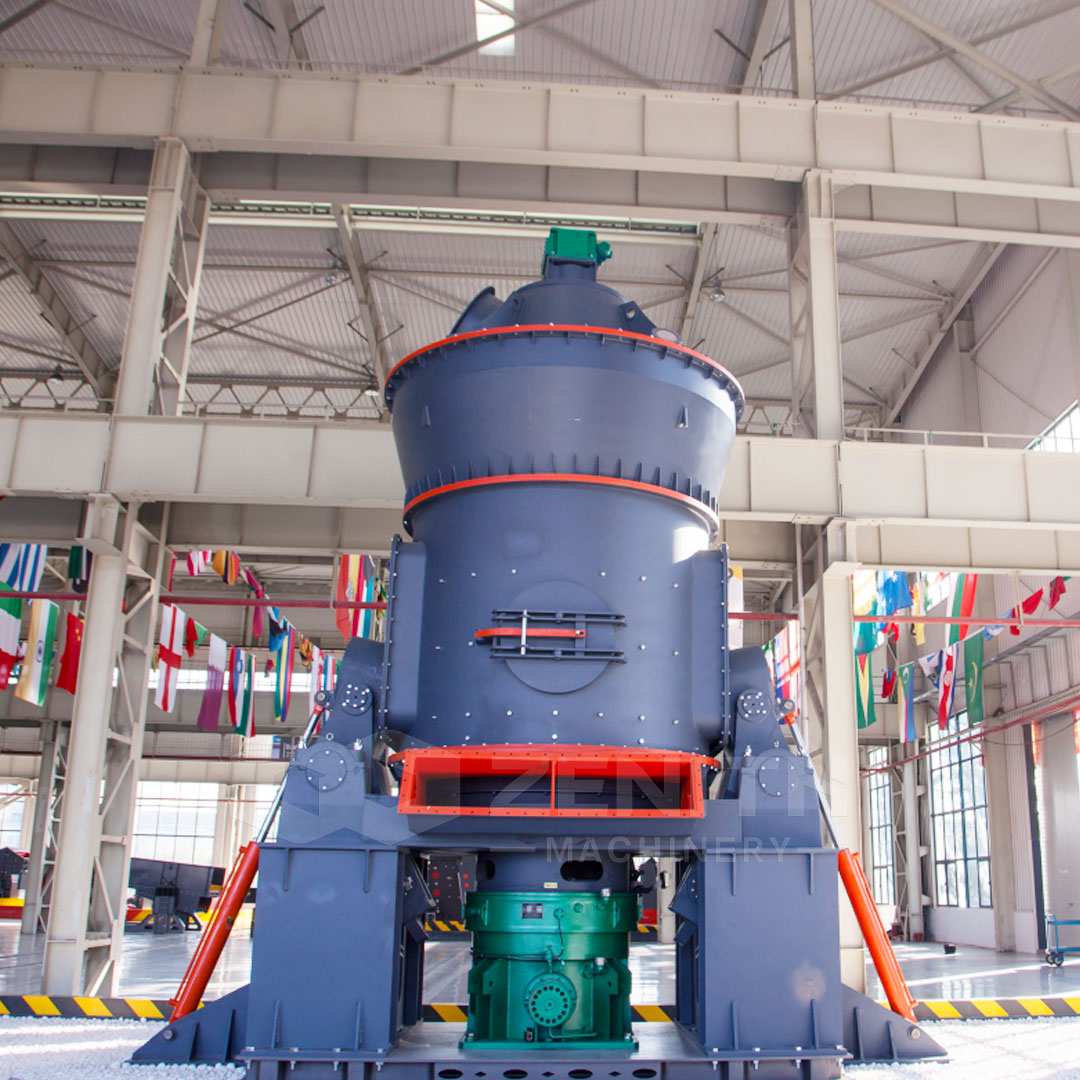
Currently, the primary grinding equipment options are Raymond mills and vertical mills.
1. Raymond Mill
Advantages: Mature technology, relatively low investment cost, high cost-effectiveness for products with 80-400 mesh fineness, and simple operation/maintenance.
Suitable Scenarios: Ideal for small-to-medium putty powder production lines, commonly chosen for output demands between 1-20 tons/hour. When raw material moisture content is low (typically <6%) and the product targets the mid-range market, the Raymond mill offers a high cost-performance ratio.
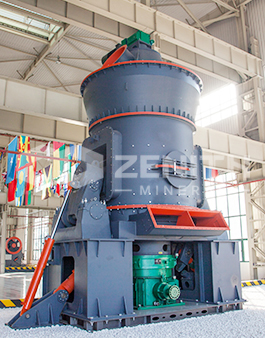
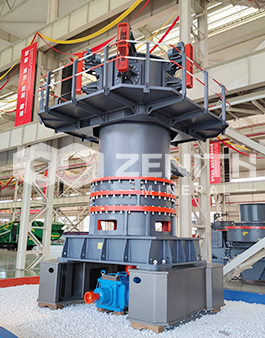
2. Vertical Mill
Advantages: Advanced technology integrating crushing, grinding, drying, classification, and conveying. Low power consumption with significant energy savings (approximately 30% less electricity than Raymond mills), low noise levels, and capability to process materials with slightly higher moisture content (up to 15% with a hot air system).
Suitable Scenarios: Ideal for large-to-medium-scale, continuous, and large-scale production lines with hourly output reaching tens to hundreds of tons. Vertical mills are the preferred choice when prioritizing low operating costs, high automation, economies of scale, and sufficient initial investment budgets.
III. Core Considerations for Scientific Equipment Selection
1. Output Matching: Determine hourly and annual production capacity based on market demand scale to avoid waste from oversized equipment or development constraints from undersized units.
2. Particle Size and Adjustment Range: Ensure the equipment can reliably achieve and easily adjust to the required fineness, with a concentrated particle size distribution.
3. Energy Consumption and Operating Costs: Compare the power consumption per ton, service life of wear parts (e.g., grinding rollers, grinding rings), and replacement costs across different equipment, focusing on long-term benefits.
4. Environmental Protection and Automation: Select equipment with good sealing and minimal dust leakage, and consider automation control levels to reduce labor intensity and improve the working environment.
leave your message here, we'll send you
an Email immediately.