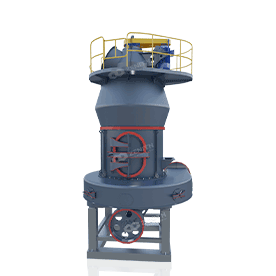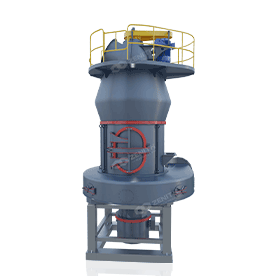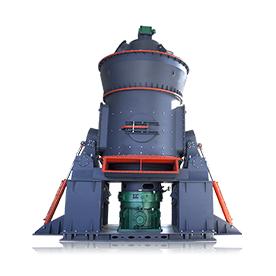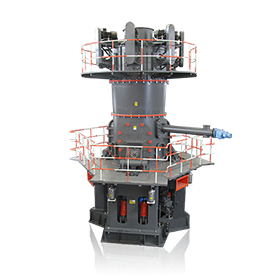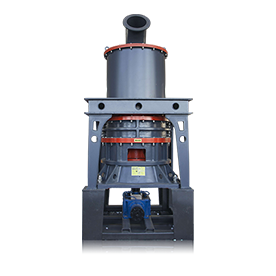


Ball Mills are mainly used in metallurgy, chemical industry, electric power, cement and other industrial and mining business to make all kinds of ores and other grindable materials by virtue of such characteristics as strong adaptability to raw materials, excellence in continuous production, high crushing ratio and easy to adjust the fineness of the finished product. An open or closed system can be set as required according to the production model, the dry and wet process production can be adopted or the grinding and drying operations can be completed at the same time.
The grinding ratio of ball mill can reach more than 300, and it is easy to adjust the fineness of the final products.
Ball mill has strong adaptability to raw materials and high production capacity, and it can meet the requirements of most of the raw materials.
The hollow shaft in the mill is made of steel casting. The liner is detachable and wear-resistant.
This ball mill can be used in dry grinding and wet grinding.
Yes. A ball mill is mature, broadly applicable and supports both dry and wet grinding, one of the most widely used and reliable grinding devices.
As the shell rotates, centrifugal and frictional forces lift the balls to a height from which they fall, grinding material by impact and attrition; qualified material exits through the discharge grate.
Fineness depends on grinding time, media load and classification. Adjust grinding time and media load, with classification if needed, to improve.
Depends on material and process: wet grinding has less dust and suits moist feed and ore dressing; dry grinding produces dry powder for dry-product needs. Decide by material and downstream demand.
Ball impact generates considerable noise, lower in wet grinding; dry grinding needs sound-insulation and damping to meet workshop requirements.
Optimize media mix and load, use energy-saving liners and classify properly to avoid over-grinding; power can be reduced, though a ball mill is still higher than roller-type mills.


Advanced manufacturing process


Inspection of raw materials and the whole process of production and processing


Strong processing workshop and machining equipment to ensure the fastest delivery time


Worldwide sales and service network


More than 20 years of international trade experience, familiar with all kinds of export business


Comprehensive solutions from crushing to grinding


Advanced technology with more than 100 patents