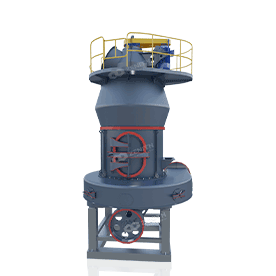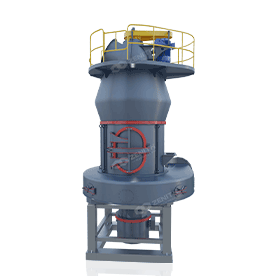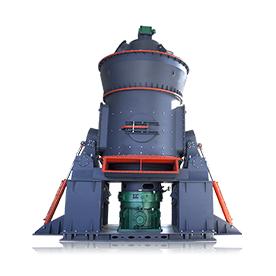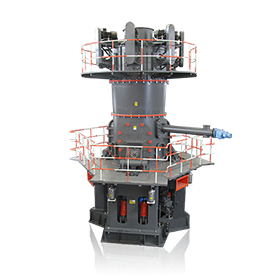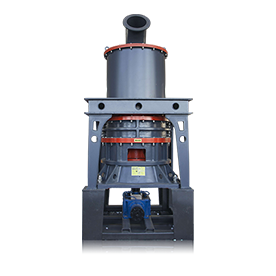


HM series hammer mills are a new generation of grinding equipment for producing 0-3mm coarse powder. This mill adopts a partial working priciple of crushers and makes up the disadvantage of uneven particle size of finished products in traditional coarse powder mills. Now, it has become the core equipment for production of coarse powder particles, which are widely used in dry mortar, animal feed, agriculture, construction material, etc.
Hammer Mill has the advantages of good grinding performance. It has higher output and grinding ratio.
Hammer Mill has optimized cavity design and unique operating principle. The performance of this mill is excellent and stable.
Hammer Mill has high cost-effective, simple working process. It takes only a little space, saving costs for foundation base.
The casing with high manganese steel lining has higher abrasion resistance and longer service life.
Mainly hammers, screens and liners, made of wear-resistant material and replaced by service life; cost is manageable and bulk purchases are cheaper.
Check rotor and screens, start empty, and feed after stable running, avoiding loaded startup and excessive feed impacting the rotor.
Focus on hammer wear, screen blockage or damage, rotor balance, bearing temperature and lubrication, and sudden output-size changes.
Very hard material accelerates hammer/liner wear and lowers efficiency; assess hardness and trial, and avoid using it for very hard feed.
Commonly hammer wear, screen damage or blockage, or uneven feeding. Replace hammers and check/replace screens to restore output.
New material may differ in hardness, stickiness and abrasiveness; trial on a small batch first to confirm size, output and wear before volume switching.


Advanced manufacturing process


Inspection of raw materials and the whole process of production and processing


Strong processing workshop and machining equipment to ensure the fastest delivery time


Worldwide sales and service network


More than 20 years of international trade experience, familiar with all kinds of export business


Comprehensive solutions from crushing to grinding


Advanced technology with more than 100 patents